The Best Multipurpose Furniture for Tiny Homes (Honest Reviews)
Multipurpose furniture sounds like a dream, but half the options on the market are compromises that do nothing well. Here's what actually earns its space in a small home.
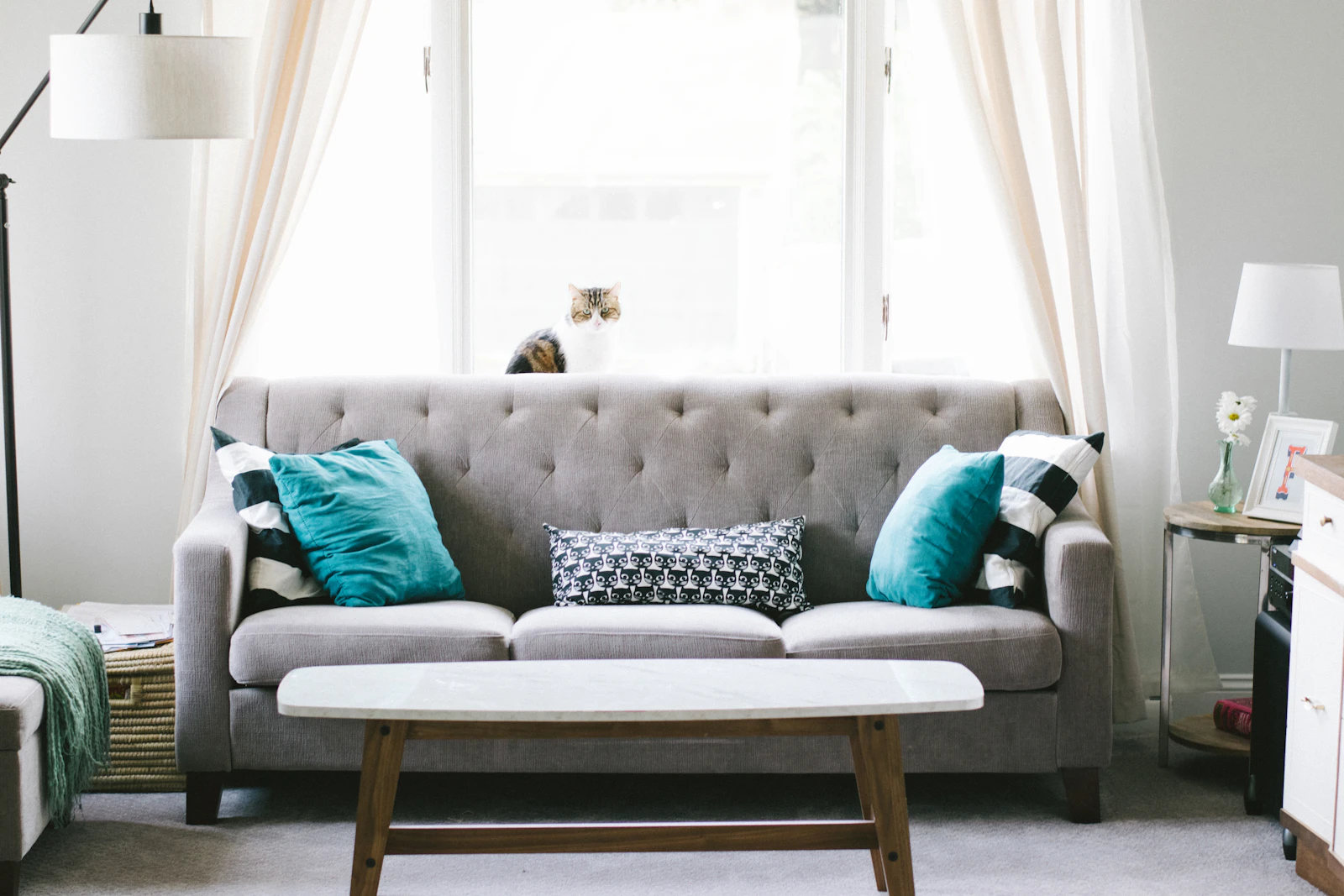
For five years I lived in a 420-square-foot studio and tested — honestly, sometimes suffered through — every multipurpose furniture trend the internet threw at me. Some pieces genuinely changed how I lived. Others were dust-collecting compromises that did neither of their jobs well. This is the honest rundown, so you don't have to make my expensive mistakes.
The rule I landed on: a multipurpose piece is only worth it if it does both jobs at least 80% as well as a single-purpose piece would. If it does one job at 100% and the other at 30%, you're better off with two smaller dedicated pieces. Let's go through the pieces that actually earn their footprint.
Sleeper sofas: the honest truth
A quality sleeper sofa is the single most life-changing piece for a small space if you host guests more than twice a year. But quality matters enormously here. Cheap sleeper sofas are terrible at both jobs — the sofa is uncomfortable because of the metal frame underneath, and the bed is thin and creaky. Spend at least $700 to $1,000 on one from a reputable brand, and always test-sit and test-lie down before buying. Look for gel-topped mattresses at least 4.5 inches thick.
Storage ottomans: the underrated hero
A well-built storage ottoman is the multipurpose piece I recommend most often. It works as a coffee table with a tray on top, extra seating when guests come, a footrest, and hidden storage for blankets, board games, or seasonal decor — all at once. Look for lift-top designs with hinged lids (not lids you have to fully remove and set on the floor). Budget: $80 to $200 for a solid one that will last years.
"A well-built storage ottoman is the multipurpose piece I recommend most often."
Nesting tables: better than one big coffee table
A set of two or three nesting tables outperforms a single large coffee table in almost every small space. Pushed together they function as one surface. Separated they become side tables, laptop stands, extra dining surfaces when guests arrive, or a spot for a lamp in a corner. When you don't need them, they nest back into a tiny footprint. Look for solid wood or metal frames — nesting tables get moved a lot and cheap ones wobble fast.
Drop-leaf and gate-leg tables: dining without the table
A drop-leaf table that folds down to a slim console against the wall, then extends to seat four to six for dinner, is one of the best small-space investments you can make. Look for solid wood construction and hinges rated for daily use. Some models can even fold down to a tiny 12-inch-wide profile. Skip flimsy laminate versions; the leaves sag and warp within a year.
Bed frames with real storage
As mentioned in other guides, a storage bed frame is a huge win. But not all are equal. Ottoman-lift beds (gas hydraulic lift) hold the most and are best for bulky items you access rarely — extra bedding, luggage, out-of-season clothes. Drawer beds hold less but give you daily access to folded clothes. Choose based on what you'll actually store. If in doubt, go with drawers — daily use beats occasional access every time.
"As mentioned in other guides, a storage bed frame is a huge win."
Extendable dining tables
For those who host but don't have a full dining room, an extendable table (with internal or butterfly leaves) collapses to a small everyday footprint and grows for dinner parties. The mechanism matters more than the wood — cheap extension mechanisms jam within a year. Test the extension in the store, listen for grinding, and buy solid mid-range brands over ultra-budget options.
Wall-mounted desks that fold up
For anyone working from home in a small space, a wall-mounted fold-down desk is a game-changer. When work is done, it folds up flush against the wall and disappears. Interior organizers hold pens, notebooks, and a laptop while the desk is closed. Solid ones start around $150. Make sure the wall you mount it on can handle 30 to 40 pounds of pull weight — you'll want a stud.
Bookshelves that double as room dividers
An open, double-sided bookshelf mounted freestanding in a studio creates two rooms out of one without blocking any light. Look for shelves that are open on both sides (no back panel) so light and air move through. Weight them properly on the bottom for stability. This move alone can transform a studio into a one-bedroom-feeling apartment.
"An open, double-sided bookshelf mounted freestanding in a studio creates two rooms out of one without blocking any light."
Bar carts: not just for drinks
A rolling bar cart is one of the most flexible pieces in a small home. It works as a coffee cart in the kitchen, a bar cart in the living room, a rolling craft or workspace cart when you need it, and a plant stand near a window. Rolls out of the way when guests need floor space. Look for one with rubber wheels (quieter and easier on floors) and a middle shelf for real storage.
Benches with hidden storage
A storage bench at the foot of the bed or in an entryway triples up as a place to sit, extra seating for guests, and hidden storage. In an entryway, it holds shoes, umbrellas, or bags. In a bedroom, it hides linens or seasonal clothes. Choose a bench that's the right height for its zone — 18 inches for a foot-of-bed bench, 17 inches for a shoe bench.
What NOT to buy (learn from my mistakes)
Skip most Murphy beds unless you have real construction skills or a big budget — the ones under $600 tend to feel flimsy and sag over time. Skip inflatable furniture, even the fancy ones. Skip most 'convertible' pieces from ultra-cheap online retailers — the mechanisms fail within months. Skip trunk coffee tables with loose lids (you'll bang your knees every time you access them). Skip anything with sharp corners at knee height if you have a tight space to navigate at night.
"Skip most Murphy beds unless you have real construction skills or a big budget — the ones under $600 tend to feel flimsy and sag over time."
The two-question test before you buy
Before adding any multipurpose piece to your cart, ask two questions. One: 'Which of the two functions will I use daily, and which weekly?' If both are daily, the piece must do both well. Two: 'What am I currently using that this will replace?' If the answer is 'nothing,' you're adding volume, not saving space. Multipurpose furniture only works when it replaces something bulkier.
A minimalist small-home shopping list
If you were furnishing a 400-500 square foot apartment from scratch, my honest suggestion: a real quality sleeper sofa, a storage ottoman, two nesting tables, a drop-leaf dining table, a storage bed frame with drawers, and a bar cart. That's it. Six pieces total, each doing double or triple duty, and you'd have a functional home for two people that could host guests overnight. Total investment for solid mid-range brands: about $2,500 to $3,500 — significantly less than furnishing with 12 single-purpose pieces.
One truth about furniture in tiny homes
The best multipurpose furniture doesn't announce itself as multipurpose. It just quietly works. If a piece looks like a compromise — the sofa that folds weirdly, the table with visible mechanisms — it will read as a compromise every day you look at it. Choose pieces that look beautiful in their primary function, and let the secondary function be the pleasant surprise. That's how you get a small home that feels intentional rather than clever.

About the writer
Ethan Ashford Team · Verified
Senior DIY Editor
Carpenter turned writer. Tests every tool, screw, and shortcut before recommending it. Weekend project specialist.
Keep reading
More from the Nook
 №01
№01Garden · 14 min read
How to Start a Vegetable Garden in a Small Space (A Friendly, Realistic Guide)
You don't need acres of land to grow fresh food. A sunny balcony, a strip of yard, or even a windowsill can produce a surprising harvest when you plan carefully — here's exactly how to do it, step by step.
 №02
№02Home Decor · 13 min read
A Cozy Living Room Makeover for Under $200 (The Real, Honest Breakdown)
You don't need a designer, a demo crew, or a huge budget to transform a tired living room. With a weekend, a few basic tools, and some intentional shopping, the whole feel of a space can shift — here's exactly how I did it.
 №03
№03DIY Projects · 16 min read
DIY Floating Shelves: A Friendly Step-by-Step Beginner Tutorial
Sturdy, invisible-bracket floating shelves are one of the highest-impact DIY projects a total beginner can pull off. This is the exact process, the mistakes to skip, and the finish that never fails.