Small Bedroom Storage Ideas That Don't Make the Room Feel Smaller
Storage in a tiny bedroom is a balancing act — you need it, but the wrong bin, bench, or bulky dresser can shrink the whole room. Here are the solutions that actually work.
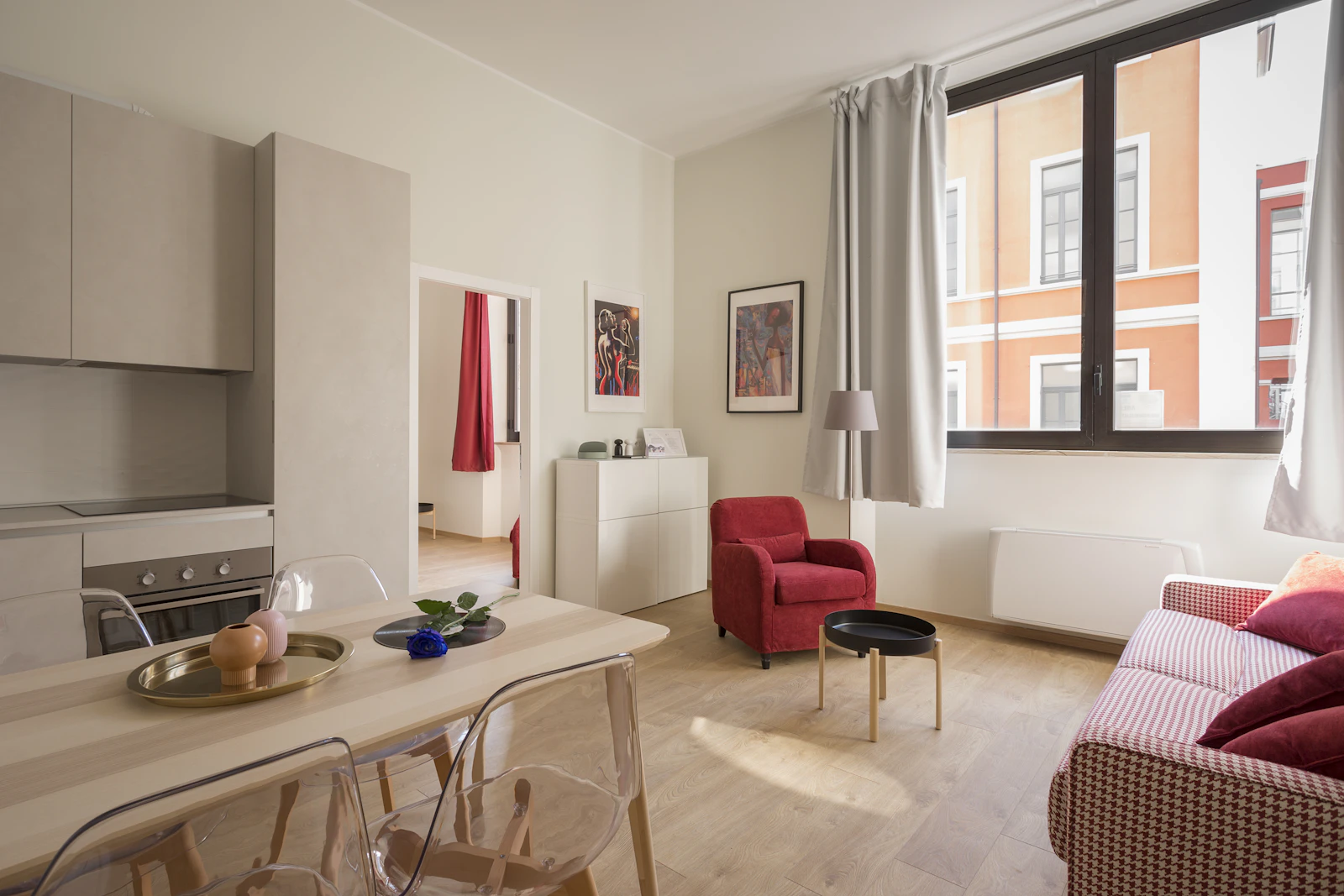
The first apartment I lived in on my own had a bedroom so small the door bumped the edge of the bed when it opened. I had one closet the size of a coffin, no dresser, and a growing pile of clothes on a folding chair by the window. Every storage idea I tried in year one — under-bed bins that stuck out, a rolling rack that made the room feel like a garage, a giant wardrobe that ate half the floor — made things worse before they got better. This is the guide I wish someone had handed me back then.
Small bedroom storage is not about cramming in as many bins as possible. It's about finding pieces that do two jobs at once, keeping the eye level clear, and making sure the room still reads as a bedroom instead of a warehouse. Let's walk through what actually works, room by room.
First: measure honestly, then subtract
Before you buy a single thing, measure your room and draw it on paper. Include the doorway, the window, the closet, and the radiator or vent. Add the bed at true size. Then step back and look at how much floor is left. In most small bedrooms, it's less than you think. A dresser needs at least 24 inches of clearance in front of it to open drawers. A nightstand needs 8 inches of space around it. If you can't imagine walking comfortably through the room after adding a piece, don't add it.
The bed frame is your biggest opportunity
The single biggest storage upgrade in a small bedroom is a bed frame with built-in storage underneath. A frame with two large drawers on one side holds roughly the same as a mid-size dresser — but takes zero extra floor space. Ottoman-style beds that lift up on gas hydraulics hold even more, and are perfect for out-of-season clothes, extra bedding, and luggage. These frames used to be a splurge; now solid options start around $300 to $500 at furniture chains.
"The single biggest storage upgrade in a small bedroom is a bed frame with built-in storage underneath."
If you can't replace the frame: bed risers and under-bed bins
Bed risers add 3 to 6 inches of height and create real, usable space underneath. Pair them with low-profile bins on wheels (measured to be no taller than your new clearance minus one inch). A bedskirt hides everything visually. This turns dead space into a hidden dresser. Choose fabric or cardboard bins over plastic — they read as soft, not utilitarian, when the skirt lifts slightly.
Choose a tall dresser, not a wide one
A dresser that's 24 inches wide and 55 inches tall holds roughly the same as one that's 55 wide and 30 tall — but it eats half the visual real estate and leaves wall space for a mirror, art, or a floating shelf. Vertical furniture pulls the eye up, which makes ceilings feel taller and rooms feel bigger. This one swap changed my bedroom more than any other purchase.
The magic of a tall, narrow bookshelf next to the bed
Instead of a traditional nightstand, use a slim tall bookshelf. Top shelf holds a lamp and your alarm. Middle shelves hold books, a small plant, and a candle. Bottom shelves hold a basket for tissues, chargers, and the miscellaneous stuff that clutters nightstand tops. You get five times the storage of a nightstand in the same footprint, and the room feels taller. Choose something under 12 inches deep so it doesn't crowd the bed.
"Instead of a traditional nightstand, use a slim tall bookshelf."
Over-door hooks and organizers earn their keep
The back of the bedroom door and the back of the closet door are two vertical surfaces most people ignore. Over-door hooks hold robes, tote bags, and tomorrow's outfit. A slim over-door shoe organizer with clear pockets is a game-changer for accessories: rolled belts, scarves, sunglasses, small handbags. Choose organizers that hang flat against the door — anything bulky rattles when the door moves and starts to annoy you fast.
The bench at the foot of the bed
If you have 12 to 16 inches of clearance at the foot of the bed, a storage bench earns its keep. Inside: extra pillows, throws, out-of-season bedding. On top: a place to sit while tying shoes, a soft spot for a folded blanket. Skip this only if it makes the walk-around path too tight. In a truly tiny room, the floor space is more valuable than the extra bin.
Wall-mounted nightstands and floating shelves
A wall-mounted floating nightstand takes zero floor space and looks intentional. Pair it with a wall-mounted sconce and you eliminate the entire footprint of a table lamp too. This works especially well in rooms where the bed is pushed right up against a wall due to space constraints. Just make sure you mount into a stud or use rated toggle anchors — you'll rest your morning coffee on it, and you don't want it flexing.
"A wall-mounted floating nightstand takes zero floor space and looks intentional."
Closet strategy: double the hanging space
Most small bedroom closets have one hanging rod at chest height and a shelf above. This wastes the bottom third of the closet completely. Add a second, lower rod (a $15 hanging closet rod does this in five minutes) and hang all your shorter items — shirts, blouses, folded pants — on the bottom. Save the top rod for dresses, long coats, and jackets. You just doubled the closet's capacity.
Fabric bins on the top closet shelf
Label everything. One bin for out-of-season sweaters, one for extra bedding, one for accessories, one for sentimental keepsakes. Labels stop future-you from pulling down all four bins to find one belt. This is a five-dollar fix that saves you real time and stress every week.
Under-window storage
The area under a bedroom window is often wasted. A low, narrow bench or a small chest of drawers here gives you extra storage without blocking the light source that makes the room feel bigger. Keep the piece low — under the sill — so the window stays visually dominant. Add a cushion on top for a cozy reading spot.
"The area under a bedroom window is often wasted."
Baskets: your soft-storage secret weapon
A single beautiful basket beside the bed catches all the small chaos: chargers, books, hair ties, a folded pajama set. Baskets add texture, disguise clutter, and are lifted in and out easily. Choose natural fibers — seagrass, jute, water hyacinth — for warmth, and pick a size that's tall enough to hide contents but low enough that you can peek in easily.
The mirror trick that makes rooms feel double
A large mirror leaning against the wall — or mounted on the closet door — visually doubles the room. Choose a floor mirror at least 18 inches wide, or a big oval or arch mirror above a low dresser. Position it to reflect the window or a lamp for the biggest impact. Mirrors are technically not storage, but they make every storage piece feel less crowded.
What to avoid in a small bedroom
Skip open clothing racks — visible clothing reads as clutter, no matter how tidy. Avoid deep dressers that block walkways. Skip trunks and cedar chests at the foot of the bed if clearance is tight. Never store anything on top of the closet unless it's in a labeled matching bin — random stacks visible above the closet door make rooms feel cluttered instantly. And please, no cardboard boxes stored anywhere visible; they read as 'moving day in progress.'
"Skip open clothing racks — visible clothing reads as clutter, no matter how tidy."
A realistic shopping list for a small bedroom reset
One storage bed frame or set of risers with two under-bed bins. One tall, narrow dresser. One second closet rod. Three fabric bins for the closet top shelf. One over-door hook or organizer. One large basket. One leaning mirror. That's it. You don't need more, and buying more usually undoes the calm you're trying to build. Small bedrooms want quality, not quantity.
The maintenance rule that keeps it working
Every Sunday evening, do a five-minute reset. Return anything on the floor to its bin. Fold the throw at the foot of the bed. Refill the water glass. Wipe the nightstand. This tiny weekly habit is what separates a small bedroom that feels calm from one that feels crushing. Storage systems only work when they're used, and they only get used when they're easy. Keep it easy, and your tiny bedroom will feel bigger than rooms twice its size.

About the writer
Charlotte Sinclair Team · Verified
Home & Organizing Writer
Former stylist, now a slow-living writer. Covers organizing, houseplants, and calm home rhythms that actually last.
Keep reading
More from the Nook
 №01
№01Garden · 14 min read
How to Start a Vegetable Garden in a Small Space (A Friendly, Realistic Guide)
You don't need acres of land to grow fresh food. A sunny balcony, a strip of yard, or even a windowsill can produce a surprising harvest when you plan carefully — here's exactly how to do it, step by step.
 №02
№02Home Decor · 13 min read
A Cozy Living Room Makeover for Under $200 (The Real, Honest Breakdown)
You don't need a designer, a demo crew, or a huge budget to transform a tired living room. With a weekend, a few basic tools, and some intentional shopping, the whole feel of a space can shift — here's exactly how I did it.
 №03
№03DIY Projects · 16 min read
DIY Floating Shelves: A Friendly Step-by-Step Beginner Tutorial
Sturdy, invisible-bracket floating shelves are one of the highest-impact DIY projects a total beginner can pull off. This is the exact process, the mistakes to skip, and the finish that never fails.