7 Small Space Decor Mistakes That Make Your Home Feel Even Smaller
Some of the most common decorating instincts backfire in small spaces. Here are seven mistakes to stop making — and what to do instead.
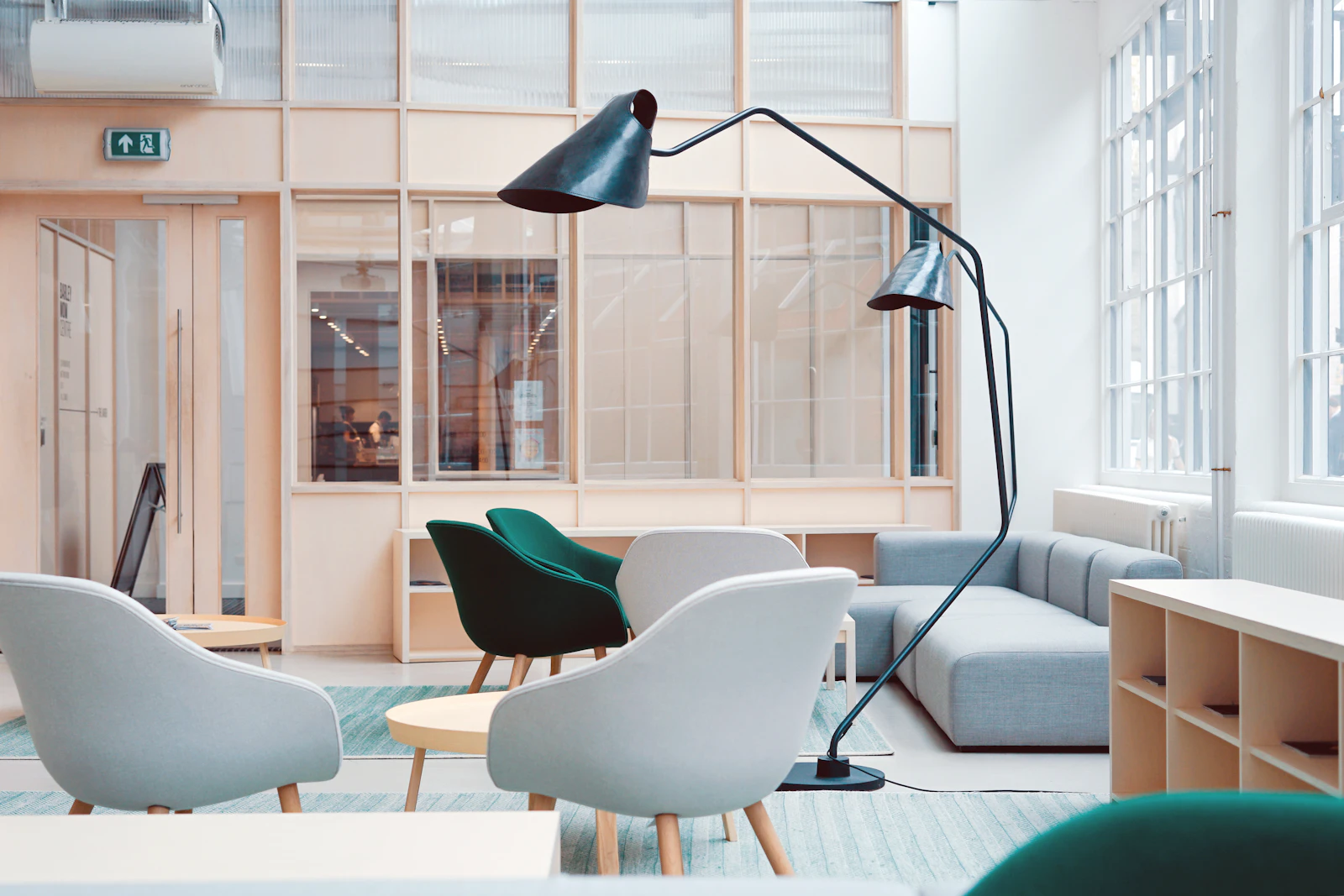
There is a particular kind of frustration that comes from decorating a small space, doing everything you've been told to do, and somehow ending up with a room that feels even smaller than when you started. I've been there. Twice. The thing nobody tells you is that most decor advice is written for average-size rooms, and applying it directly to a small space can backfire in specific, predictable ways. This guide covers the seven mistakes I've made or watched friends make, along with what to do instead.
None of these require a full redo. Most are 15-minute fixes. Some cost nothing at all. Read through, spot the ones that apply to you, and fix them this weekend.
Mistake 1: Painting everything white to 'open up the space'
Pure bright white walls are the most common small-space decor advice — and often the most disappointing when you actually try it. In north-facing rooms or rooms with cool light, all-white can read as sterile and can actually make the space feel colder and smaller. Warm off-whites, soft creams, or even a warm-based light color (like a pale plaster pink or a warm beige) reflect light while adding warmth. If you love white, choose a warm one, and add plenty of soft texture — linen, wool, natural wood — to give the eye something to rest on. Cold clinical white is not the friend it's marketed as.
Mistake 2: Choosing tiny furniture because the room is tiny
This one is counterintuitive: filling a small room with tiny apartment-scale furniture often makes the room feel smaller, not bigger. A miniature loveseat, a tiny coffee table, and a small chair look like a dollhouse and highlight the room's smallness. One properly scaled piece — a real full-size sofa or a normal-height bed — anchors the room and paradoxically makes it feel more generous. Choose fewer, better-scaled pieces.
"This one is counterintuitive: filling a small room with tiny apartment-scale furniture often makes the room feel smaller, not bigger."
Mistake 3: Overloading walls with lots of small art
A gallery wall of twelve small frames in a small room reads as chaotic and cluttered from any distance. One large piece of art or one big mirror above the sofa or bed has the opposite effect — it grounds the room and gives the eye a single focal point. If you love multiple pieces, group them tightly with matching frames so they read as one large unit rather than twelve small ones. In small rooms, restraint reads as luxury.
Mistake 4: Using dark rugs that eat all the floor
A dark rug covering most of your floor visually shrinks the space by half. In a small room, choose a lighter, softer rug in a warm neutral (cream, oat, soft sand) that reflects light and lets the eye keep moving. Save dark, moody rugs for larger rooms where they can be an intentional grounding element. If you love a dark rug, layer a smaller lighter one on top to break up the visual weight.
Mistake 5: Blocking natural light with heavy curtains
Heavy dark curtains, valances, or short curtains that stop at the windowsill all reduce the amount of light entering the room and make the ceiling feel lower. Hang curtains high — 6 to 8 inches above the window frame — and wide — 6 to 12 inches past the frame on each side. Use lightweight linen or cotton in a warm neutral. When the curtains are open, no fabric should block any of the actual glass. This one change makes windows feel taller and rooms feel taller and lighter.
"Heavy dark curtains, valances, or short curtains that stop at the windowsill all reduce the amount of light entering the room and make the ceiling feel lower."
Mistake 6: Trying to make one room do everything
In a small home, the temptation is to squeeze five functions into one room: living room plus dining plus office plus guest bed plus workout zone. The result is a room that does nothing well and feels cramped in every direction. Limit each room to two functions maximum. Move the workout gear to a closet or under the bed. Move the office to a wall nook or a closet corner. Move the guest bed function to a good sleeper sofa. Editing functions is more powerful than editing objects.
Mistake 7: Ignoring vertical space
Small rooms often have furniture and art all clustered at knee-to-shoulder height, leaving the top third of the walls completely empty. This makes ceilings feel low. Hang art higher than you'd normally think. Add a floor-to-ceiling curtain even on a short window. Install one tall bookshelf that reaches near the ceiling. Draw the eye upward and rooms feel taller — which reads as bigger.
Bonus mistake: matching everything perfectly
A small room where every wood tone matches, every metal finish matches, and every color coordinates too tightly can look like a showroom rather than a home. Small rooms need a little friction — a warm wood side table next to a cool metal lamp, a linen throw over a leather chair. Small imperfections add warmth. Perfectly matched rooms feel unlived-in.
"A small room where every wood tone matches, every metal finish matches, and every color coordinates too tightly can look like a showroom rather than a home."
What to do instead: the small-space design principles
Warm neutrals beat cold whites. One well-scaled focal piece beats five small ones. Bright, lifted curtains beat heavy short ones. Two functions per room beats five. Draw the eye upward. Let one imperfect element add warmth. Repeat colors and materials for cohesion. These seven principles, applied consistently, do more than any single trendy item can.
The one-hour audit
Take a photo of every room in your home. Compare each photo against the seven mistakes above. Every mistake you spot is a 15-minute fix waiting to happen. Rearrange the curtain rod higher. Move a small frame to a drawer. Consolidate two functions down to one. Small spaces reward attention like this — you'll be surprised how much a single Saturday of these edits can transform a home you've lived in for years.
Give your small space some grace
The final thing to remember: your small space is not a problem to be solved. It's a home that asks for a slightly different set of instincts than a bigger one. Once those instincts click, small becomes charming, cozy, intentional. You start to see the beauty of a well-edited room. And you stop wishing for square footage you don't need.

About the writer
Isabella Whitmore Admin · Verified
Founder & Editor-in-Chief
Runs The Green Nook. Nine years of small-space gardening, fifteen of living in rentals. Believes a good home is built one honest tip at a time.
Keep reading
More from the Nook
 №01
№01Garden · 14 min read
How to Start a Vegetable Garden in a Small Space (A Friendly, Realistic Guide)
You don't need acres of land to grow fresh food. A sunny balcony, a strip of yard, or even a windowsill can produce a surprising harvest when you plan carefully — here's exactly how to do it, step by step.
 №02
№02Home Decor · 13 min read
A Cozy Living Room Makeover for Under $200 (The Real, Honest Breakdown)
You don't need a designer, a demo crew, or a huge budget to transform a tired living room. With a weekend, a few basic tools, and some intentional shopping, the whole feel of a space can shift — here's exactly how I did it.
 №03
№03DIY Projects · 16 min read
DIY Floating Shelves: A Friendly Step-by-Step Beginner Tutorial
Sturdy, invisible-bracket floating shelves are one of the highest-impact DIY projects a total beginner can pull off. This is the exact process, the mistakes to skip, and the finish that never fails.